November 19, 2026
Sports venues require infrastructure that supports safety, organization, and an enjoyable spectator experience. Fencing plays an important role in protecting stadium property, controlling crowds, and establishing secure boundaries around restricted areas. A professional stadium fencing contractor helps venue operators select and install fencing systems that meet these demands while complementing the facility's design.
According to the National Association of Sports Commissions, the U.S. sports tourism industry is projected to reach $100 billion by 2025, driving continued investment in stadiums and secure perimeter fencing. As venues accommodate more visitors and larger events, dependable fencing becomes increasingly important. Professional contractors provide customized solutions that address security, durability, appearance, and long-term functionality.
Improving Stadium Safety and Security
Stadium fencing establishes clear boundaries between public spaces, restricted areas, and operational facilities. Strong perimeter barriers help prevent unauthorized entry while directing visitors toward designated entrances. A stadium fencing contractor can evaluate a venue's layout and recommend fencing systems that address its specific security requirements.
High-profile sporting events often attract large crowds, making controlled access especially important. Strategically placed fencing helps security personnel monitor entrances and limit access to sensitive locations. These barriers also work alongside cameras, alarms, and other security systems to create a comprehensive approach to venue protection.
Vandalism can result in expensive repairs, property damage, and disruptions to stadium operations. Durable fencing helps discourage trespassing and protects important areas such as equipment storage, maintenance facilities, and athletic spaces. Contractors select materials designed to withstand weather exposure, physical impact, and potential tampering.
Crowd management is another essential consideration for stadium operators. Fencing creates designated pathways, separates spectator areas, and directs visitors toward entrances and amenities. A professional stadium fencing contractor can develop layouts that accommodate expected attendance levels while helping prevent congestion.
Emergency preparedness must also be considered when planning stadium fencing. Well-designed systems can help establish clear evacuation routes and prevent confusion during emergencies. Gates and strategically positioned openings provide flexibility for emergency access while supporting the venue's broader safety plans.
Clearly defined boundaries also make security operations more efficient. Fencing establishes controlled access points and helps personnel identify areas requiring additional attention. Modern systems can accommodate surveillance cameras, electronic locks, and other security technologies to strengthen overall protection.
Enhancing Stadium Appearance and Design
Stadium fencing should complement the facility's appearance while meeting practical security requirements. Contractors offer different colors, materials, heights, and configurations to accommodate individual venue preferences. Customized designs allow stadium operators to maintain a consistent appearance throughout the property.
Fencing can incorporate elements that reflect a team's identity, local history, or architectural character. These details help create a recognizable environment that connects with spectators. An experienced stadium fencing contractor can balance these design preferences with the strength and functionality required for sports facilities.
Fencing should also integrate naturally with surrounding stadium architecture. Contractors consider building materials, exterior colors, landscaping, and existing structures when selecting appropriate designs. This coordination helps prevent barriers from appearing disconnected from the rest of the property.
Sightlines are particularly important around spectator areas and athletic facilities. Fencing must provide necessary protection without unnecessarily obstructing views. Careful planning helps maintain the visual appeal of the venue while preserving essential security features.
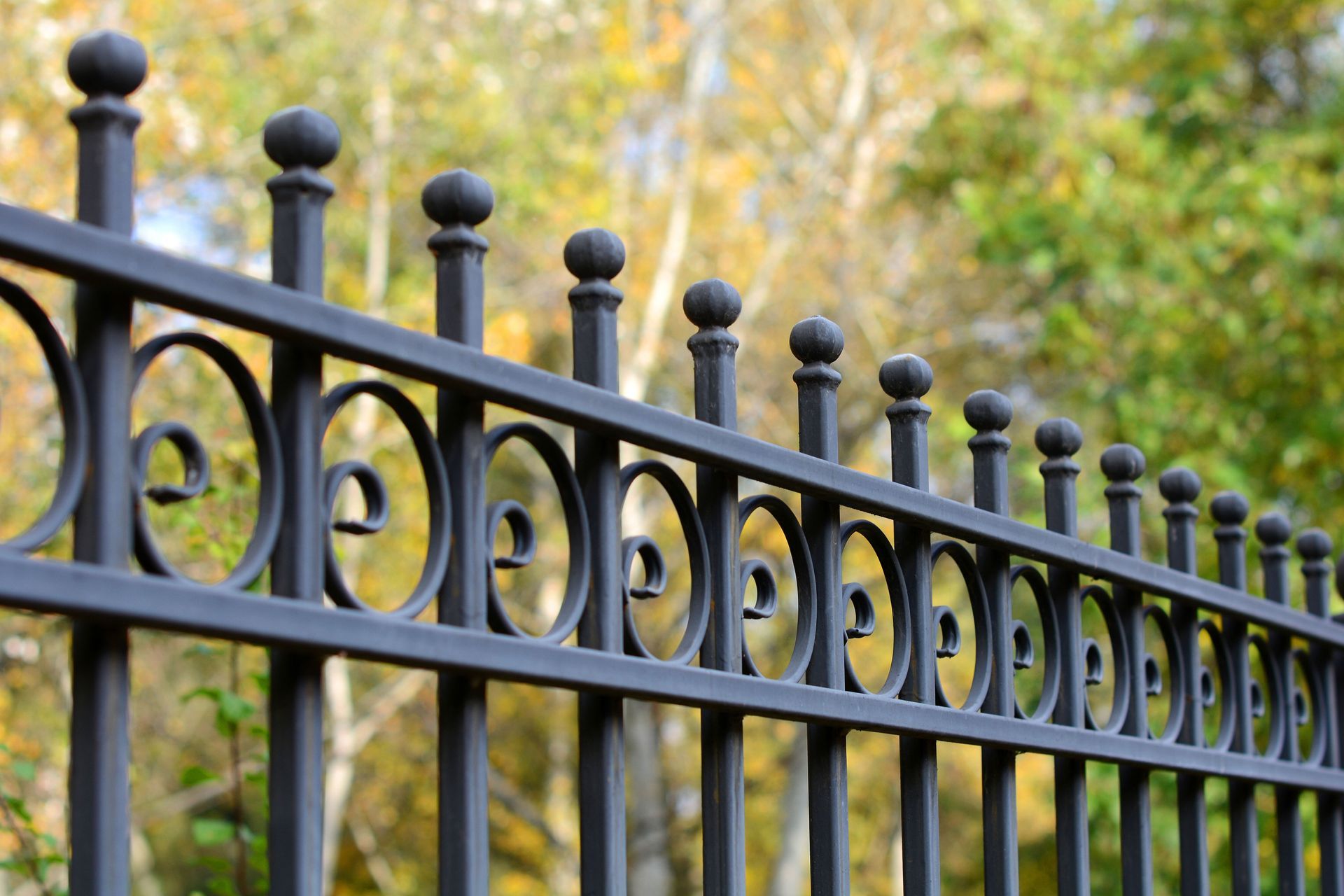
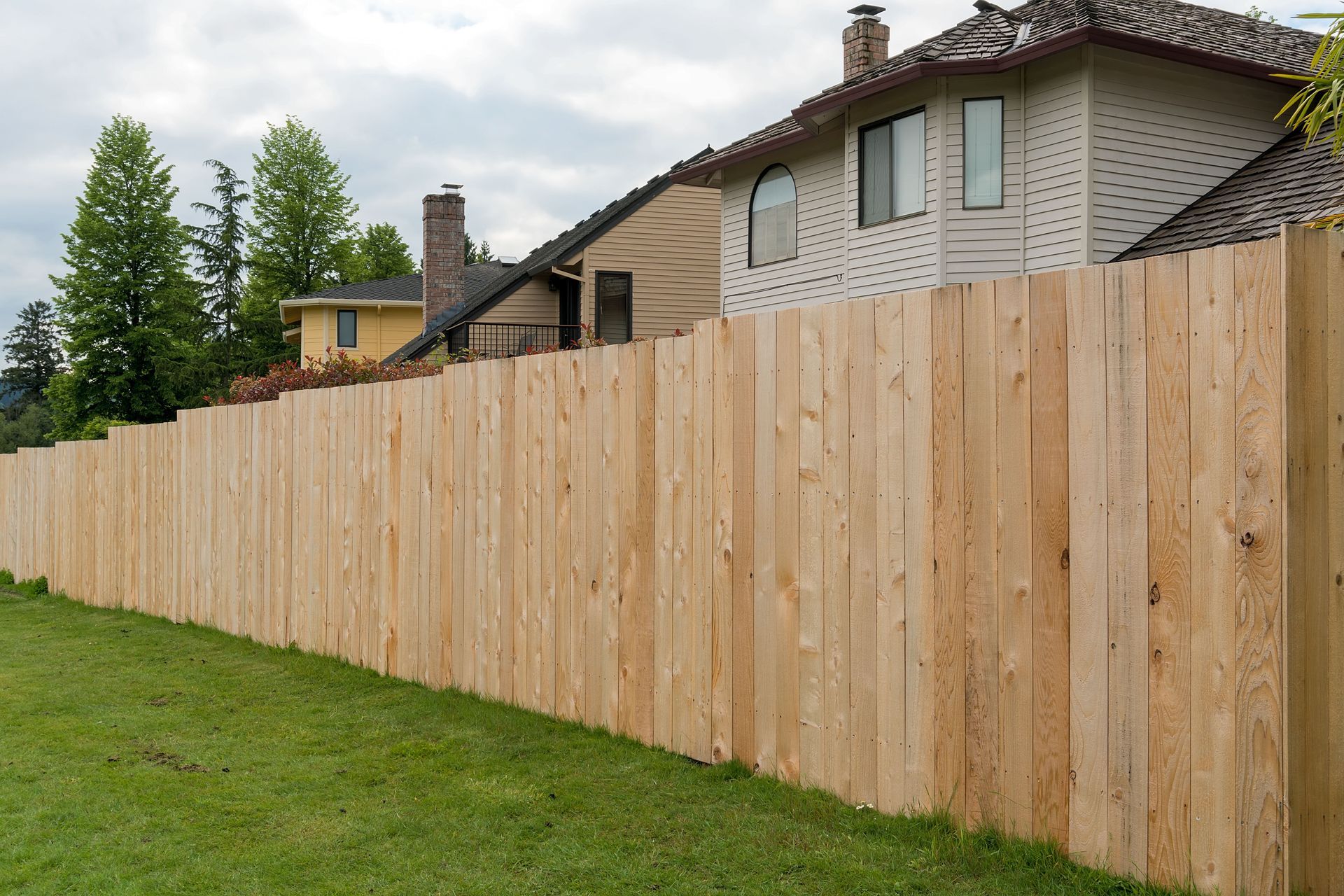
Material selection affects the strength, appearance, and expected lifespan of stadium fencing. Steel, aluminum, wrought iron, and other materials offer different advantages depending on the property's requirements. Contractors evaluate weather exposure, security needs, maintenance expectations, and budget before recommending a solution.
Protective finishes also help extend the life of fencing systems. Galvanization and powder coating can reduce corrosion and protect surfaces from environmental damage. Choosing appropriate materials and finishes helps stadium operators maintain attractive, dependable barriers over time.
Environmental considerations are increasingly important in stadium construction and renovation projects. Recycled materials, sustainable manufacturing practices, and durable finishes can help reduce the environmental impact of fencing installations. Long-lasting materials can also limit replacement needs and reduce construction waste.
Fencing can further contribute to stadium branding through coordinated colors, patterns, and decorative elements. Team logos and recognizable designs reinforce the venue's identity while maintaining a consistent appearance. Contractors can also accommodate sponsor displays and promotional signage in appropriate locations without compromising security or functionality.
Improving Stadium Functionality
Sports venues contain numerous spaces that require different levels of access. Locker rooms, athletic facilities, equipment storage areas, and administrative spaces often need additional protection. Fencing helps separate these locations from public areas while maintaining organized movement throughout the property.
A stadium fencing contractor can recommend configurations that accommodate employees, athletes, vendors, and visitors. Gates and controlled entry points provide convenient access for authorized individuals. These solutions help stadium operators maintain appropriate boundaries without interfering with everyday operations.
Many stadiums host more than sporting competitions. Concerts, community gatherings, festivals, and other events can introduce different security and crowd management requirements. Adaptable fencing systems help venues adjust their layouts to accommodate changing attendance patterns and event activities.
Temporary barriers and modular fencing can provide additional flexibility when permanent layouts are insufficient. Contractors can help determine which solutions are appropriate for different event types. This adaptability allows stadium operators to make better use of their facilities throughout the year.
Stadium fencing experiences regular exposure to weather, heavy use, and occasional physical impacts. Choosing durable materials and appropriate protective finishes helps reduce maintenance demands. Professional installation also contributes to structural stability and long-term performance.
Routine inspections can identify corrosion, loose connections, damaged sections, and other problems before they become more serious. Addressing these concerns helps preserve the appearance and functionality of the fencing system. Working with an experienced contractor gives venue operators access to professional guidance when repairs or replacements become necessary.
Stadium fencing also helps protect valuable infrastructure and equipment from accidental damage. Utility areas, maintenance zones, parking facilities, and loading docks often require designated boundaries to prevent unauthorized access and reduce operational disruptions. Properly selected fencing provides separation while allowing employees and service personnel to move through approved access points. A stadium fencing contractor can recommend configurations that account for vehicle traffic, pedestrian movement, and the specific needs of each facility. These additional protections help stadium managers maintain an organized property, safeguard important assets, and support smoother operations during both sporting events and everyday activities.
Choosing the Right Stadium Fencing Contractor
Selecting an experienced contractor is an important part of planning a successful stadium fencing project. Sports venues have unique requirements involving security, spectator movement, appearance, and regulatory compliance. A qualified stadium fencing contractor can evaluate these factors and develop a solution suited to the property's layout and operational needs.
Contractors should understand the demands of large commercial properties and have experience working with durable fencing materials. Their ability to coordinate installation schedules, accommodate venue operations, and recommend appropriate security features can make a significant difference. Clear communication and careful project planning also help ensure that the finished installation meets expectations.
Professional installation provides additional value by ensuring fencing systems are positioned and secured appropriately. Contractors consider property boundaries, access requirements, structural needs, and applicable regulations throughout the project. These considerations help create a dependable fencing system that supports the venue for years to come.
Investing in Professional Stadium Fencing
Stadium fencing contributes to the safety, appearance, and functionality of modern sports venues. From preventing unauthorized access to improving crowd management, properly designed barriers support essential facility operations. Custom materials, sustainable options, and adaptable configurations also allow venues to maintain an attractive and practical environment.
Working with a qualified stadium fencing contractor helps property operators address these requirements through professionally planned solutions. Pro Fence LLC provides fencing services designed to meet individual property needs while prioritizing durability, security, and appearance. Contact Pro Fence LLC to discuss your stadium fencing project and find a solution that supports the long-term needs of your sports venue.