October 26, 2026
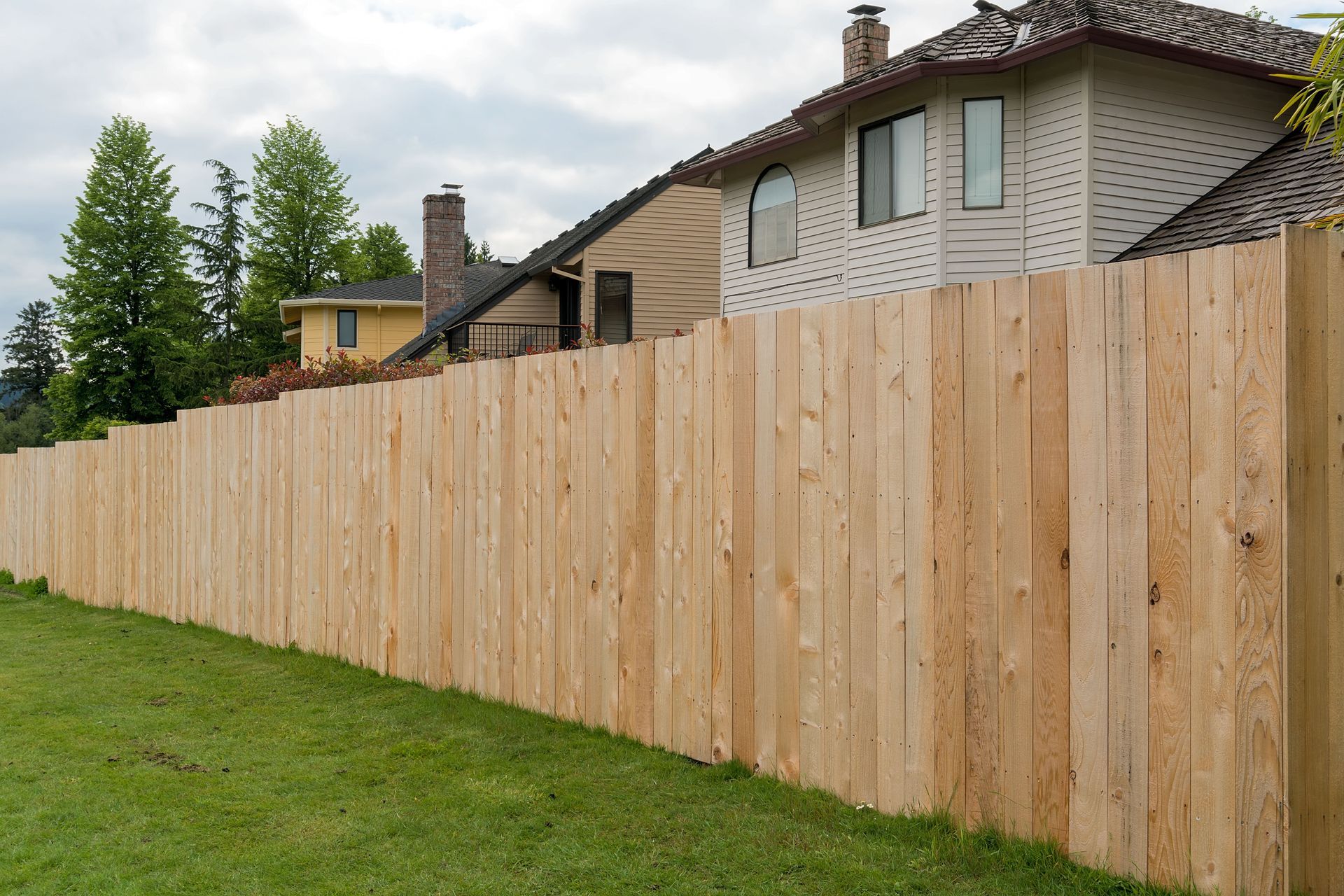
A natural wood fence adds privacy, security, and timeless charm to any home, but selecting the proper finish is essential to preserving both its appearance and structural integrity. Choosing the right stain color requires balancing neighborhood aesthetics, architectural style, maintenance requirements, and the underlying tone of the wood grain. According to Coming Home Magazine, a well-maintained timber fence typically endures for 15 to 20 years without needing significant repairs. By partnering with a qualified fence builder, homeowners can ensure their wood surfaces receive proper preparation and high-quality stain application, maximizing both beauty and longevity for years to come. Taking the time to explore different color options beforehand ensures you achieve a look you will love for decades. A thoughtful selection process prevents regret and transforms an ordinary boundary into a defining landscape element.
Assessing Your Property Layout and Architectural Style
Selecting a stain color begins with evaluating the exterior design of your home, including siding, roof tones, hardscaping, and landscaping elements. A stain should complement existing outdoor colors rather than compete with them, creating a cohesive visual flow across the entire landscape. Homes with warm earth tones, brick accents, or stone facades often look best with warm natural or amber stains that highlight rich wood grains. Conversely, modern architectural styles featuring cool grays, crisp white trim, or dark metal finishes pair well with cooler taupes, charcoal tones, or deep walnut finishes. Consulting a professional fence builder during the design phase helps homeowners select shade profiles that integrate seamlessly into their overall landscape architecture. Observing how light reflects off your home throughout the day can also guide your final selection. Evaluating how the enclosure frames surrounding plants further refines your color choice.
Understanding the Levels of Stain Opacity
Stain products range from completely clear sealers to opaque solid stains, and each level of transparency offers distinct aesthetic and protective characteristics. Clear sealers protect against moisture while allowing the natural hue and grain of the wood to show through completely, though they require more frequent reapplication. Semi-transparent stains add subtle pigment to enhance the natural tone while allowing wood grain patterns and knots to remain visible. Semi-solid and solid stains provide heavier coverage, concealing blemishes or variations in the wood while offering superior UV protection. A seasoned fence builder can evaluate the condition and species of your lumber to recommend the ideal opacity level for optimal protection and visual appeal. Choosing the right opacity helps strike the perfect balance between displaying natural wood patterns and hiding minor imperfections. Matching pigment intensity to your property's overall character ensures a cohesive outdoor aesthetic.
Evaluating the Impact of Natural Wood Species
The underlying species of wood plays a major role in how a stain color renders once fully cured and absorbed. Cedar features natural reddish tones and distinct grain patterns that absorb light differently than pressure-treated pine, which often carries a subtle greenish hue when fresh. Redwood naturally possesses rich, warm undertones that enhance deep mahogany or chestnut finishes, whereas lighter woods like spruce present a neutral canvas that accepts a wide range of custom colors. An experienced fence builder understands how different wood species react to various pigment formulations, helping homeowners avoid unexpected color shifts after application. Testing sample stains directly on excess fencing material ensures that the final hue aligns with your design expectations.
Factoring in Environmental Conditions and Sun Exposure
Sunlight, rain, and fluctuating temperatures significantly influence how stain colors perform and age over time. Fences exposed to direct, intense sunlight often experience faster pigment fading, making medium-toned semi-transparent or semi-solid stains a practical choice for long-term vibrancy. Lighter natural stains show less obvious fading over time, whereas very dark stains tend to absorb more solar heat, which can accelerate surface drying and cracking if high-grade oils are not used. A knowledgeable fence builder considers local weather patterns and sun orientation when recommending specific stain formulations. Proper protection shields wood fibers from UV breakdown and moisture penetration, preventing premature warping, splitting, and decay. Understanding your local climate conditions ensures your chosen finish stays vibrant through every season. Factoring in shade coverage from mature trees can also help dictate where UV protection is needed most.
Balancing Long-Term Maintenance Requirements and Upkeep
Every stain shade and opacity level comes with specific maintenance expectations that homeowners should plan for over the lifetime of the structure. Transparent and semi-transparent finishes generally require refresher coats every two to three years to maintain their water resistance and color depth. Solid stains last longer between applications, often performing well for five to seven years, but they require more thorough surface preparation, such as sanding or pressure washing, when reapplication becomes necessary. Working alongside an established fence builder allows property owners to select a finish that fits their desired balance between immediate visual appeal and long-term upkeep effort. Establishing a routine maintenance schedule keeps the wood protected against atmospheric wear.
Navigating Neighborhood Standards and HOA Guidelines
Homeowner associations and municipal guidelines frequently regulate exterior property modifications, including acceptable stain colors for perimeter structures. Many residential communities enforce specific palette restrictions to maintain cohesive neighborhood aesthetics, preferring natural wood tones over dark or non-traditional shades. Reviewing local covenants before purchasing staining products prevents costly repainting or re-staining requirements after installation. A reputable fence builder can provide material samples, product specifications, and finish details to submit to review boards for swift approval. Adhering to established community guidelines protects property values while ensuring your newly stained installation enhances overall neighborhood charm. Taking these proactive regulatory steps early eliminates unnecessary friction and project delays. Double-checking restriction details ensures your investment stays fully compliant without unexpected fines.
Executing Proper Surface Preparation and Application
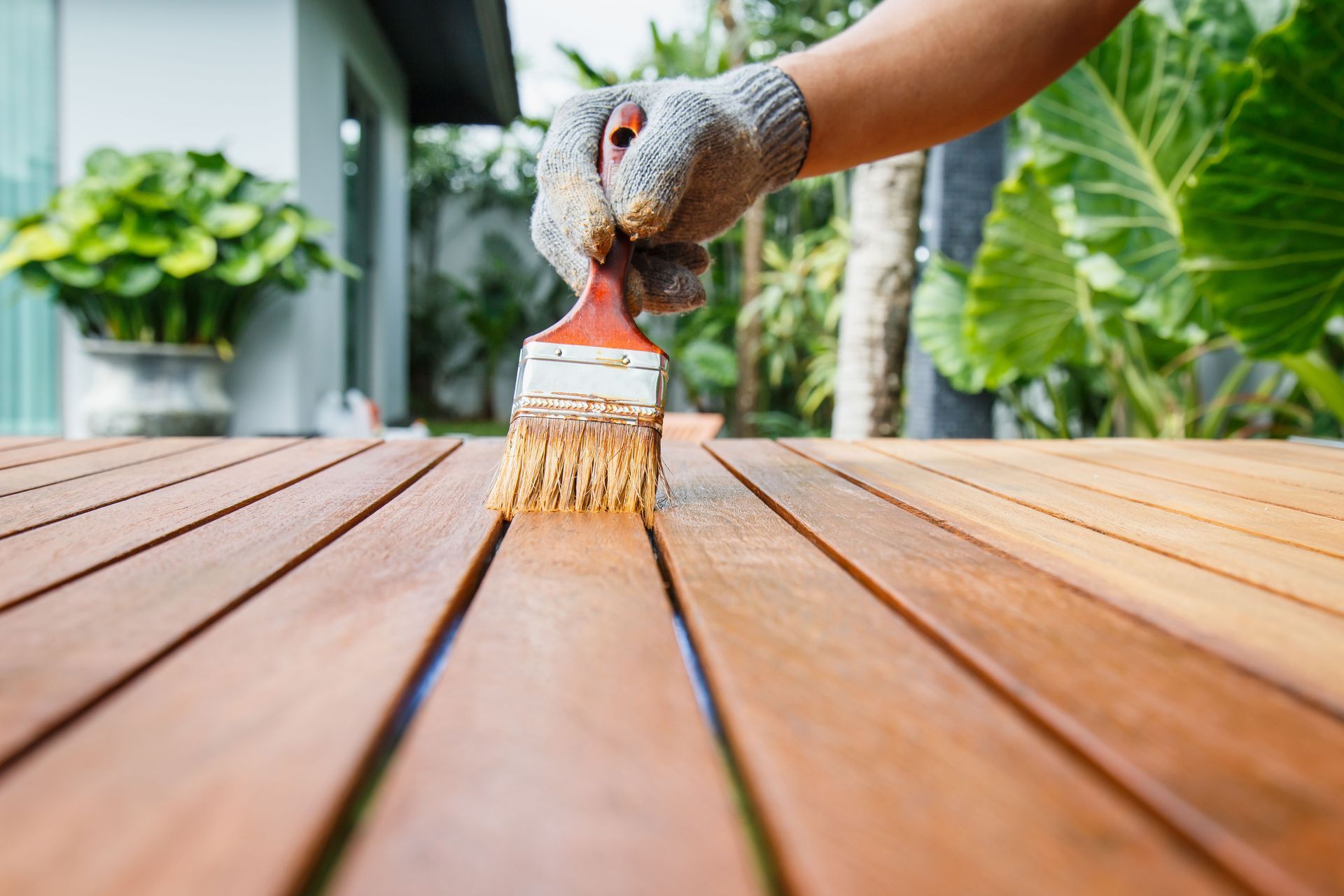
The secret to a flawless and durable stain finish lies in thorough surface preparation and correct application techniques. New lumber must dry completely to an acceptable moisture level before accepting oil or water-based stains, as trapped moisture prevents deep pigment penetration. Older wood structures require gentle pressure washing, brightening treatments, and minor structural repairs to clean away dirt, mildew, and weathered fibers. Partnering with a skilled fence builder guarantees that power washing, drying times, and stain application steps are executed under ideal weather conditions. Professional application techniques eliminate unsightly lap marks, drips, and uneven absorption, delivering a smooth, professional finish that stands up to time.
Protecting Capital Investment With Quality Workmanship
Investing in quality materials and professional application ensures that your outdoor investment delivers lasting satisfaction and curb appeal. Attempting to apply stain without proper prep work or using lower-grade retail products often leads to premature peeling, uneven blotching, and shortened structural lifespan. A professional fence builder uses commercial-grade formulations, specialized spray equipment, and proven back-brushing techniques to drive stain deep into wood pores. This level of craftsmanship ensures even coverage across every board, picket, and post, maximizing resistance against rot and weathering. Quality application safeguards your property investment, keeping your perimeter structure attractive, durable, and secure for many years.
Selecting the right stain color involves evaluating your home's architecture, wood species, environmental exposure, and ongoing maintenance preferences. By combining thoughtful color choices with proper surface preparation, property owners can transform a basic perimeter structure into a stunning architectural feature. Partnering with a trusted fence builder ensures expert advice, precise application, and long-term protection against the elements. Taking the time to choose the ideal finish protects your investment, boosts curb appeal, and maintains structural integrity for decades. Contact Pro Fence LLC today to schedule a consultation and transform your outdoor space with a beautifully crafted, long-lasting wood fence.