August 15, 2026
Cedar wood fencing has been a go-to choice for homeowners for generations, and it's easy to see why. The rich color, natural grain, and classic look of cedar make it one of the most attractive options for defining property lines, creating privacy, and boosting curb appeal. But with vinyl, chain link, and composite materials all competing for attention, many homeowners find themselves asking a simple question: is cedar wood fencing actually worth the investment? The answer depends on what you value most in a fence, how much upkeep you're willing to commit to, and whether you're working with an experienced fence contractor who can install it correctly. Below, we break down the real costs, benefits, and long-term considerations so you can decide if cedar is the right fit for your property.
Understanding Why Cedar Wood Fencing Stands Out
Cedar has earned its reputation as a premium fencing material for good reason. Unlike many other wood species, cedar contains natural oils and tannins that make it naturally resistant to insects, rot, and decay without heavy chemical treatment. This gives it a longevity advantage over softer, untreated woods while still delivering the warm, organic aesthetic that homeowners love. Cedar also takes stain and sealant exceptionally well, allowing you to customize the tone of your fence to match your home's exterior. A skilled fence contractor can help you choose the right cedar grade and finish to maximize both appearance and durability from the start.
Weighing the Benefits Against the Costs
Cedar wood fencing typically costs more upfront than pressure-treated pine or chain link, but the value extends beyond the initial price tag. Cedar's natural resistance to warping and pests means fewer repairs over time, which can offset the higher installation cost. It also tends to increase property value more than budget alternatives, since buyers associate wood fencing with quality and craftsmanship. That said, cedar isn't maintenance-free, and skipping routine care can shorten its lifespan considerably. Before committing, it's worth getting a detailed estimate from a fence contractor who can walk you through material grades, labor costs, and long-term value so there are no surprises later.
Determining How Long a Cedar Fence Will Last
Longevity is one of the biggest factors in deciding whether cedar is worth the investment. According to This Old House, cedar fences can last between 15 and 25 years above ground, while the posts set into the soil typically hold up for 10 to 15 years before they need replacing. That's a meaningful lifespan, especially when compared to lower-cost materials that may need replacing within a decade. However, actual performance depends heavily on installation quality, drainage, and climate conditions. A fence contractor who understands local soil and moisture patterns can set posts correctly and reduce the risk of premature failure, helping your fence reach the upper end of that lifespan range.
Comparing Cedar to Other Fencing Materials
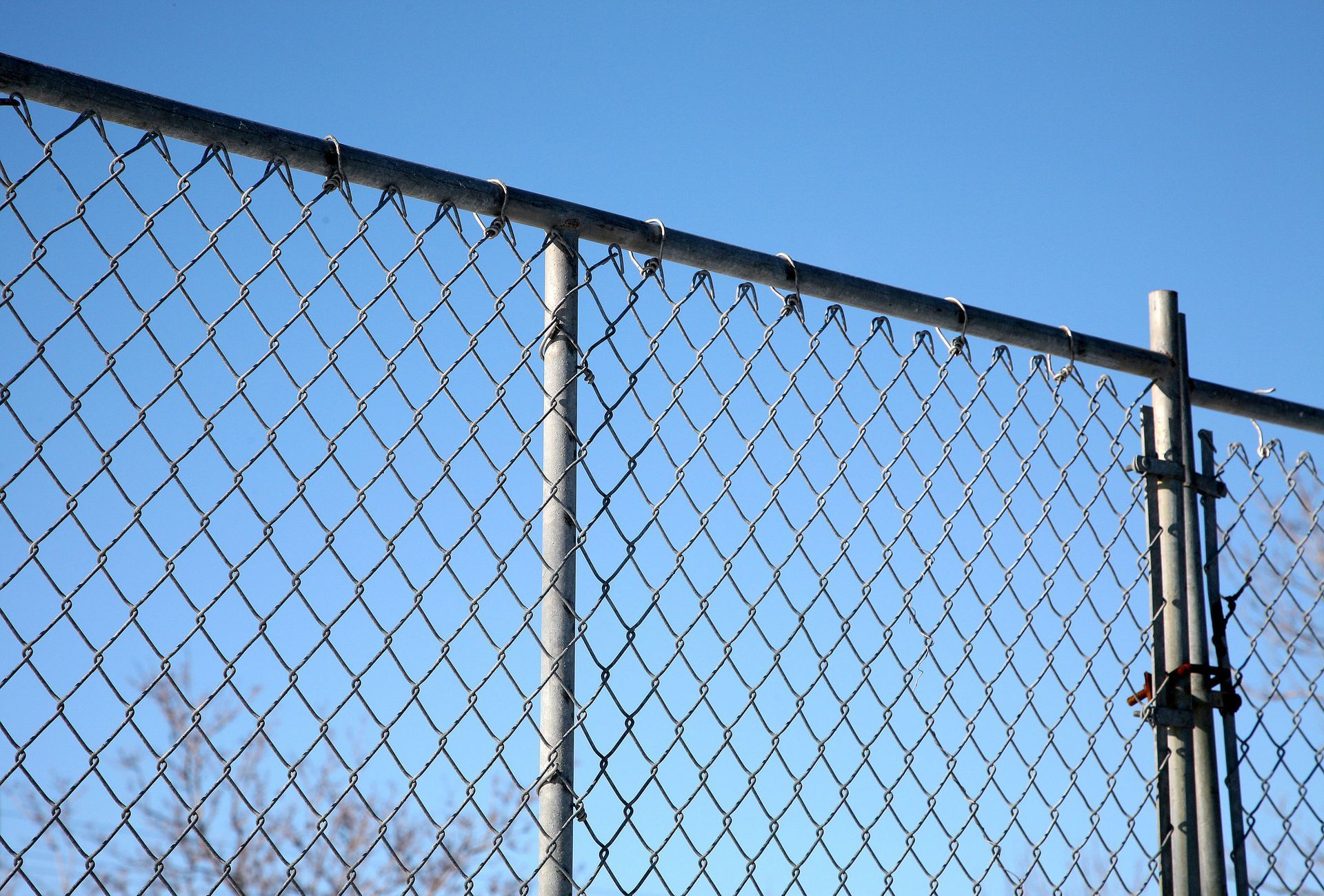
When homeowners weigh cedar against vinyl, aluminum, or chain link, the decision often comes down to priorities. Vinyl requires less maintenance and won't rot, but it lacks the natural warmth and repairability of wood. Chain link is budget-friendly and durable but offers little privacy or visual appeal. Cedar strikes a middle ground: it delivers the classic look homeowners want, along with solid durability, though it does require more attention than synthetic materials. If you're torn between options, a knowledgeable fence contractor can walk you through the pros and cons of each material based on your budget, climate, and how the fence will be used, whether that's privacy, pet containment, or simple boundary marking.
Protecting Your Investment With Regular Maintenance
Cedar's biggest advantage, its natural beauty, is also what requires the most upkeep. Without regular staining and sealing, cedar can gray, crack, or become more susceptible to moisture damage over time. Most experts recommend resealing every two to three years, depending on sun exposure and rainfall in your area. Beyond staining, it's important to watch for warped pickets, loose rails, or leaning posts, since these are early signs that a section needs attention before small problems turn into costly repairs. Partnering with a fence contractor for periodic inspections can catch these issues early, extending the life of your fence and protecting the money you've already put into it.
Selecting the Right Style for Privacy and Appeal
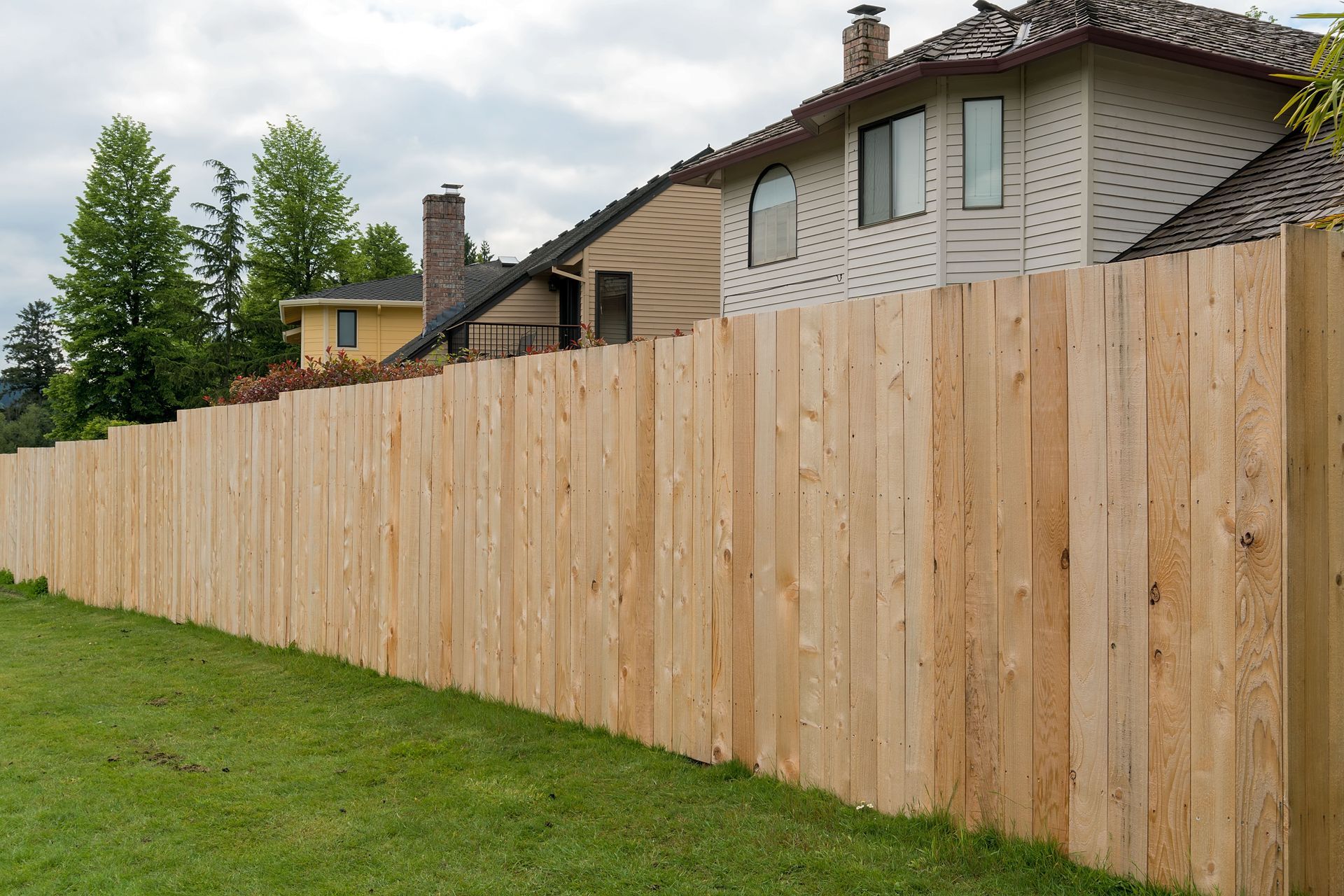
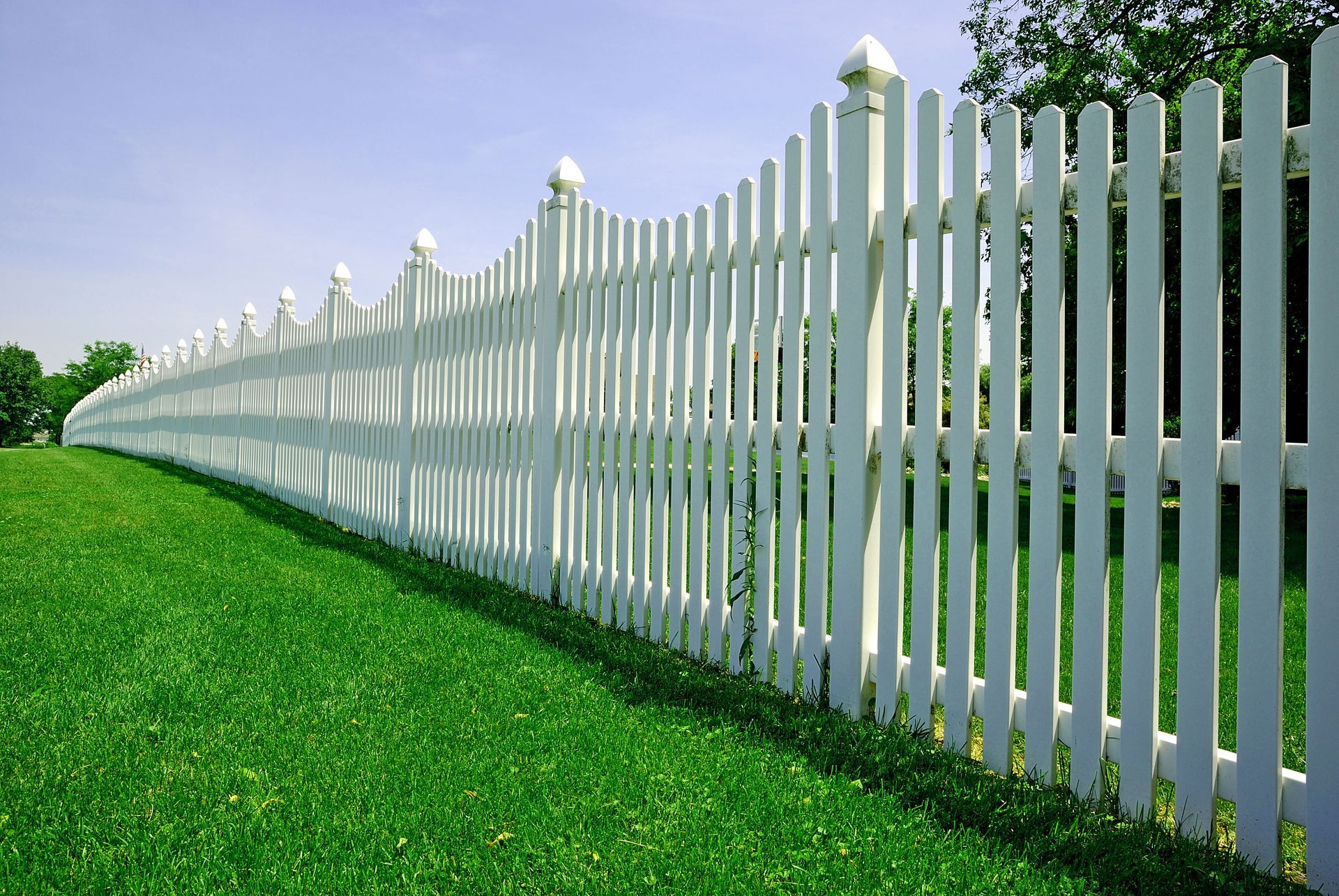
One of cedar's greatest strengths is its versatility in style. Board-on-board designs use overlapping pickets to eliminate gaps and create true privacy, even as the wood naturally dries and shifts over time. For a more finished, upscale look, a cap and fascia trim adds a decorative frame along the top and perimeter of the fence. Picket and split rail styles, on the other hand, offer a more open, decorative boundary for homeowners who want charm without full enclosure. A fence contractor with experience across these styles can help you choose a design that balances your privacy needs with your property's overall aesthetic.
Deciding If Cedar Is the Right Choice for You
So, is cedar wood fencing worth it? For most homeowners who value natural beauty, solid durability, and long-term property value, the answer is yes, especially when the fence is properly installed and maintained. Cedar does ask more of homeowners in terms of upkeep compared to synthetic materials, but the payoff is a fence that looks better, lasts longer, and adds genuine character to your property. The key to getting the most out of that investment is working with a fence contractor who understands cedar's specific needs, from post-setting techniques to sealant schedules. Cutting corners on installation is one of the most common reasons cedar fences underperform, so choosing the right professional matters just as much as choosing the right material.
Planning Ahead for a Successful Installation
Before installation day arrives, a little preparation goes a long way toward a smooth process. Start by confirming your property lines and checking with your local municipality about permits or setback requirements, since these vary by area. It's also worth discussing gate placement, post spacing, and drainage with your installer ahead of time, since these details affect both function and longevity. A reputable fence contractor will walk the property with you, flag any potential obstacles like slopes or utility lines, and set clear expectations for timeline and cost. Taking these steps upfront helps prevent delays once work begins and ensures the finished fence meets both your practical needs and your vision for the property.
Cedar wood fencing offers a rare combination of timeless style and genuine durability, but only when it's installed with care and maintained consistently. Whether you're drawn to the privacy of a board-on-board design, the polish of a cap and fascia finish, or simply the classic look of a traditional picket fence, cedar can be a smart, lasting investment for your property. The difference between a fence that lasts fifteen years and one that lasts twenty-five often comes down to workmanship and ongoing care. That's why the installer you choose matters as much as the wood itself.
If you're ready to explore cedar wood fencing for your property, we'd love to help. At Pro Fence LLC, we specialize in cedar privacy fences, custom staining and sealing, and a range of styles designed to fit your space and budget. Reach out to us today to schedule your free estimate, and let's build a fence that adds lasting value to your home.